
Türkiye grants citizenship to a foreign national whose qualifying property purchase clears the official USD 400,000 threshold and is held for three years. The Tapu-declared value, licensed appraisal and bank-transfer evidence each have to clear that line. Your spouse and your children under eighteen come into the same file, on the same investment.
You are not asked to live in the country before or after approval, and there is no language examination. Türkiye permits dual nationality, so the passport you already hold stays with you.
What decides a file is knowable before you commit: the Tapu value, the licensed appraisal, the order the money moves in, and the title history of the apartment you choose. This guide walks each one, with the legal source behind it and the date it took effect.
What qualifies you, and where each rule comes from
USD 400,000 of qualifying property opens the file. That is the minimum the Republic of Türkiye Investment Office, the government's own investment authority, sets for the property route.
Two commitments come with it and both are simple to meet. You declare the citizenship purpose in the acquisition application, so the title deed carries it, and you pledge to hold the property for three years.
The legal basis is Article 12 of Turkish Citizenship Law No. 5901. The threshold itself sits in the implementing regulation, and it rose from USD 250,000 by a presidential decision of 12 April 2022, published in the Resmî Gazete (Official Gazette) on 13 May 2022 and effective from 13 June 2022. It has stood since.
Property is not the only route. The same official source sets each of the alternatives at USD 500,000, or the equivalent, with the same three-year commitment:
- A fixed capital investment.
- A deposit held in a bank in Türkiye.
- Government bonds.
- Shares in a real-estate investment fund.
- Shares in a venture-capital investment fund.
- A contribution to a private pension system.
- Or, instead of a sum, creating employment for at least fifty people.
Three numbers must each clear the threshold
TKGM (the General Directorate of Land Registry and Cadastre) measures the deed price, the valuation total and the bank transfers each separately against USD 400,000. The appraisal is where files most often fail, and it is the number we establish first.
For a citizenship file, that valuation is prepared by a firm licensed by the Sermaye Piyasası Kurulu (SPK), the Capital Markets Board. It is one of the three totals the threshold is measured against, alongside the Tapu-declared price and the bank-transfer evidence.
So we establish the appraised value before you commit rather than after. That one step is what turns a budget into a qualifying purchase.
Buy with headroom above the threshold rather than level with it. An appraisal is an independent professional judgement, and a purchase with room above the line does not depend on where inside its range the figure lands.
The order the money moves in
Plan the banking sequence at the start and this part runs smoothly. Funds arriving from abroad are converted into Turkish lira through a Turkish bank, and the bank issues a DAB (Döviz Alım Belgesi), the foreign-currency purchase certificate.
That certificate does two jobs for you. It goes into the citizenship file, and it also supports the VAT exemption available to non-resident buyers.
The sequence is what carries it. The conversion comes before the payment it relates to, and the payment goes from your own account, referencing the certificate.
We write that sequence down with you before any money moves, so the certificate exists before the payment it belongs to.
Which apartments the programme accepts
A qualifying apartment has a clean title history, and that is something we read for you before you make an offer.
The seller has to be a Turkish citizen or a Turkish company. That is a programme rule, and it is the first thing we confirm on anything you shortlist.
The apartment also has to be one that has not already carried another foreign national's citizenship application. That marking stays with the property through later sales, so we read the title history back rather than only today's page.
The ordinary rules of foreign ownership apply exactly as they do on any purchase: some nationalities face restrictions, property inside military or strategic zones is not sold to foreign nationals, and each municipality has a cumulative area limit. All three are checked against the specific parcel.
Who one investment covers
One qualifying investment covers you, your spouse and your children under eighteen. There is no additional sum per person and no second investment for the family.
Children who have already turned eighteen apply on their own footing. Where a birthday falls close to the application we check the dates against your timeline before you buy.
Türkiye permits dual nationality, so nothing here asks you to give up the passport you hold. Whether your own country allows a second nationality is a separate question, and it belongs with an adviser at home.
Three years, and what you can do in them
You can live in the apartment, leave it empty, or let it to a tenant for the whole three years. Rental income is yours in the ordinary way and taxed in the ordinary way.
Buyers often arrive assuming the property has to sit idle. It does not, and that changes what the three years cost you.
What the period holds is the sale. The commitment is recorded as an annotation on the Tapu (title deed), so the Land Registry keeps a transfer waiting until it lifts.
At the end of the three years the restriction lifts and the apartment is yours to sell, keep or carry on letting. Selling then does not affect the citizenship you were granted.
How long it takes, and what sets the pace
The sequence is fixed and it is short. Your purchase completes and the deed issues with the citizenship purpose recorded on it.
A conformity certificate (Uygunluk Belgesi) is then obtained, confirming your investment meets the programme's requirements. It is the document that opens the citizenship application.
The application is decided by the population and citizenship authorities, and the grant takes legal effect on publication in the Resmî Gazete.
How quickly it runs follows how completely the file was assembled at the start, and that is the part we carry for you. Documentation requirements have been updated more than once, so we work from the list in force at the time of application.
What 'citizenship-eligible' means on our project pages
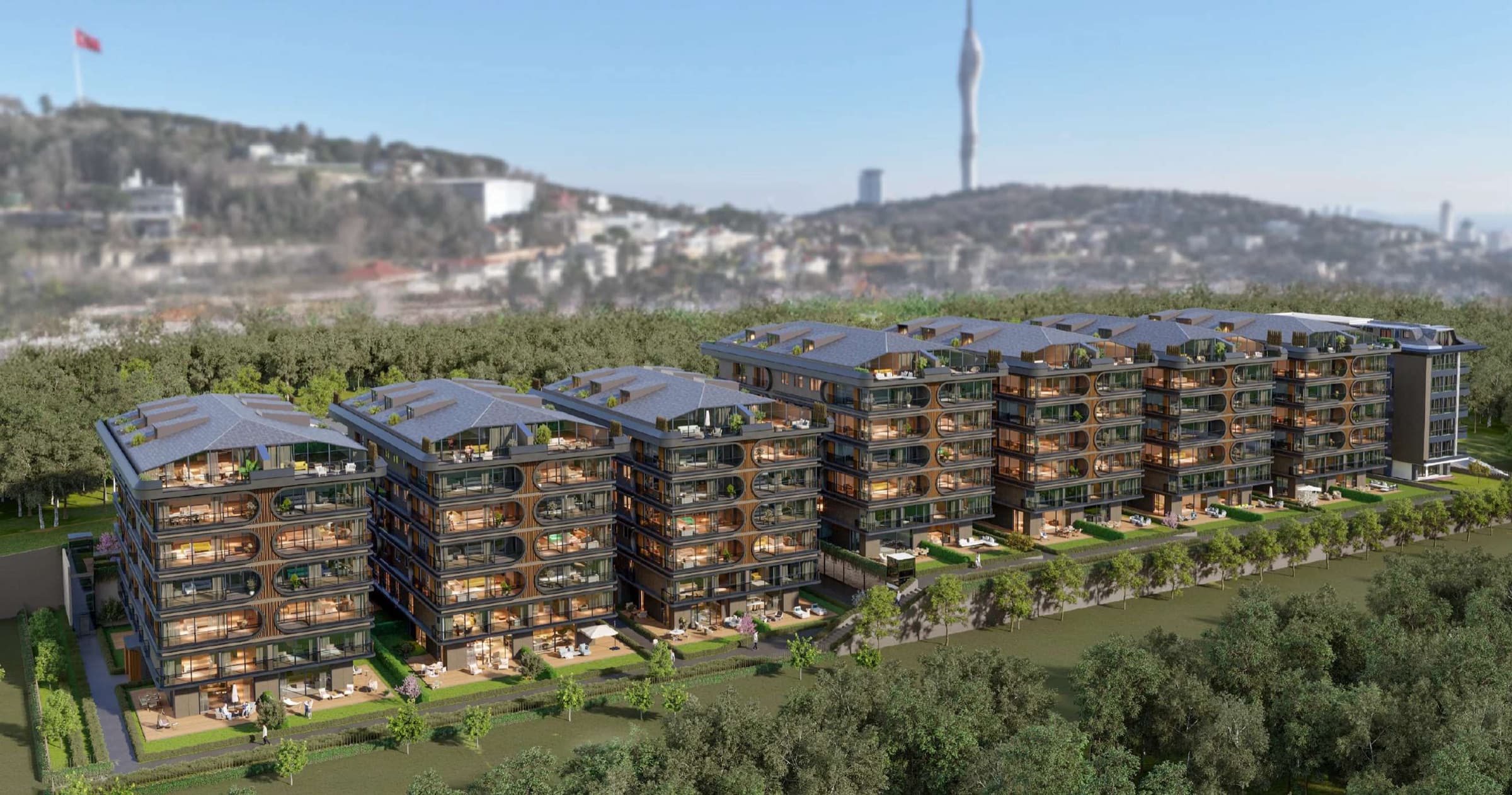
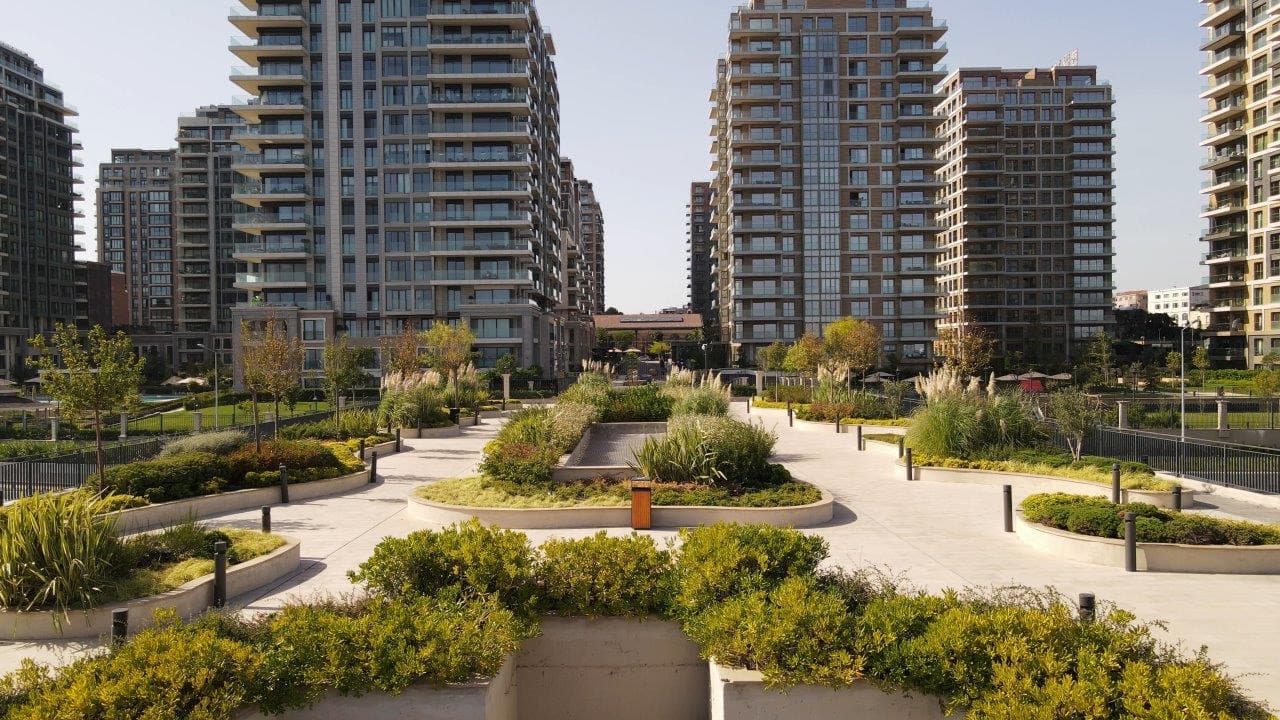
A citizenship budget does not confine you to one district or one kind of building. It can lead to finished buildings you can walk through this week or to projects still under construction, but the decision is never made at project level alone.
A citizenship signal on a project page is a shortlist signal, not a promise that every apartment in that development qualifies.
The marking means only that the development can be reviewed for a qualifying purchase: a legal form that can work, a seller type the programme may accept, and price levels where the threshold may be reachable.
Whether a particular apartment qualifies is an apartment-level question. The appraiser settles the valuation, and the Tapu-declared price, bank-transfer evidence, seller rule and title history must also clear before we call the file supportable.
The four things that decide a file
Four things carry a citizenship file, and every one of them is settled before you commit.
- The Tapu-declared value, licensed appraisal and bank-transfer evidence, each established with headroom above the threshold rather than level with it.
- The banking sequence, written down before any money moves, so the currency certificate exists before the payment it belongs to and both are in your own name.
- The apartment's eligibility: a Turkish seller, and a title history read back far enough to confirm it has not carried an earlier citizenship application.
- A complete file at the start, assembled against the documentation list in force rather than last year's.
What happens when you enquire
Tell us your budget and the kind of apartment you want, and we come back with a shortlist to test apartment by apartment: threshold evidence, seller rule and title history.
If the budget does not reach the threshold on a property worth owning, we say so at that point rather than later.
Terms used in this guide
Every term links to its full definition in the glossary.